


COMPUTING LIFE
RG Computing Life
Bioinformatics from Molecules to Ecosystems
COMPUTING LIFE aims to establish a reference hub to computationally connect molecular to biotechnological and ecosystem-level applications. Our bioinformatics expertise and the partnership with MACC will be key components of our strategy, which follows three main areas of action:
1. Molecular informatics backbone
We aim to advance metagenomic analyses by refining pipelines and enriching curated databases, incorporating third-generation sequencing. Our goal is to pioneer novel methods to explore taxonomic and functional insights in genomics, transcriptomics, metabolomics and cross-omics, integrating environmental data, using AI-based data-mining.
2. Biotech informatics for bio-based solutions
We aim to develop standardized tools encompassing genome annotation, phylogenomics, gene-by-gene phylogenetics, and species/strains discrimination, exploring phenotypic signatures of strains with biotech potential for agriculture (resistance to stress, disease and chemicals) and improved production of added-value compounds.
3. Ecological informatics for bio-sustainability
We aim to harness massive and unexploited data generated by biosensors, eDNA, remote sensing, or citizen science to enhance accuracy, sensitivity, and throughput in ecological research. AI tools will be key to analyse massive datasets, gathering a holistic picture of biodiversity and exposing anthopogenic impacts on ecosystem integrity.
OUR ONGOING PROJECTS
ATLANTIDA II
North Atlantic coastal observatory in Portugal…

CBMA – EQUIPAR+2
National Investment to Strengthen Scientific Equipment…

eDNAqua-Plan
A plan towards an eDNA reference library and data…

MycoBone
Tracing incidence of Tuberculosis in Portugal in the…

NUI-PLASTIC
Impact of marine plastic debris on the settlement and…

PBA
Blue Economy Pact / Pacto da Bioeconomia Azul…

River2Ocean2.0
New Socioecological and Biotechnological Solutions for…

SuberSafe
Finding sustainable strategies for protecting cork oak…

ToDeFuture
Bridging tradition and Innovation: advancing bread and…
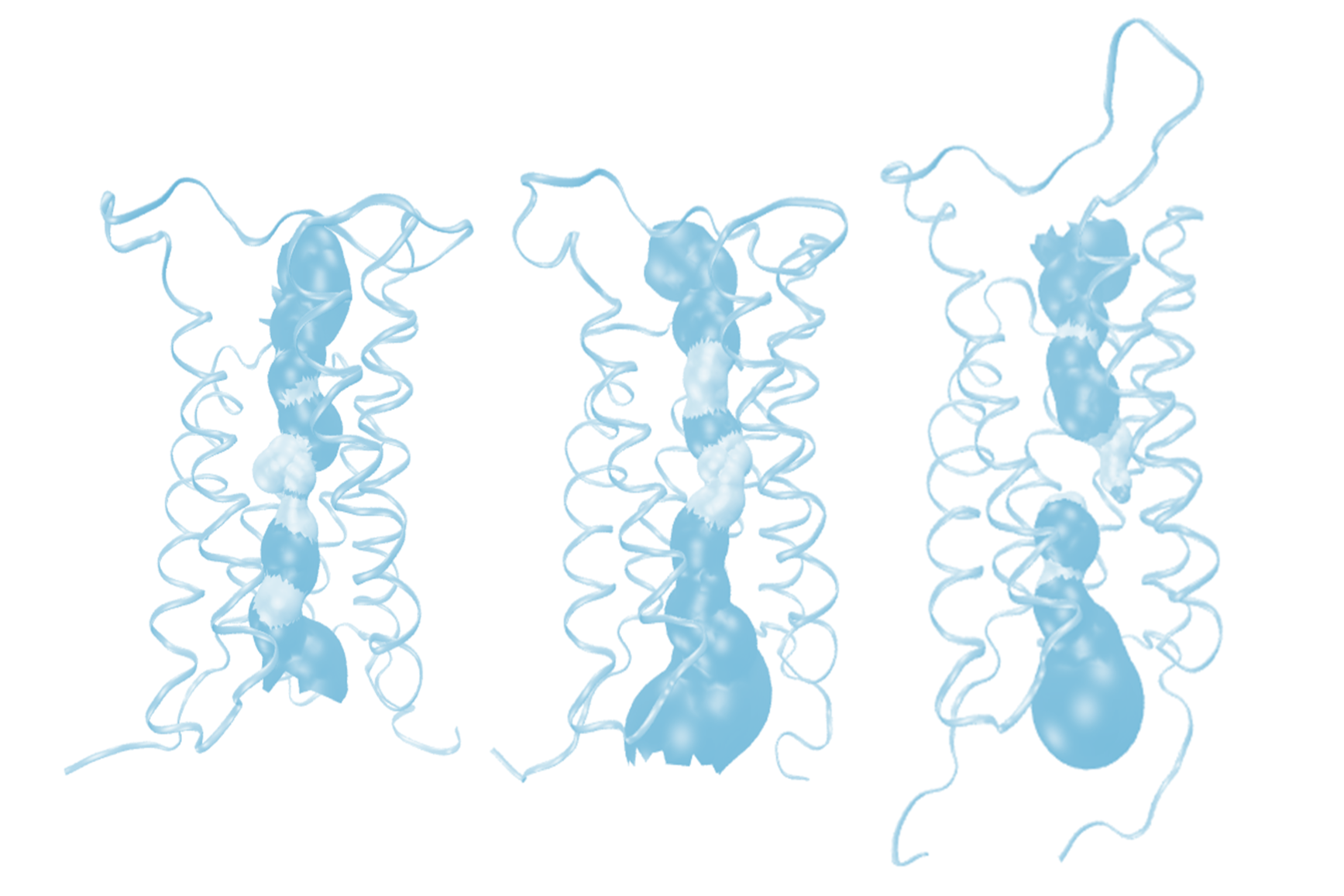
TRANSFACTORY
Transporter proteins for the optimization of microbial…
OUR TEAM
RG Computing Life
Bioinformatics from Molecules to Ecosystems

Filipe Costa
RG LEADERMolecular Ecology

Björn Johansson
RESEARCHER Metabolic Engineering

Diana Barros
RESEARCHERAquatic Stress Ecology

Isabel João Silva
RESEARCHERYeast Cell Processes

Pedro Santos
RESEARCHERMicrobial Genomics

Pedro Soares
RESEARCHER Omics & Bioinformatics

Luara Simões
RESEARCHERMolecular Ecology

Ricardo Duarte
RESEARCHER Omics & Bioinformatics

Teresa Rito
RESEARCHER Omics & Bioinformatics

António Nogueira
PhD STUDENTFreshwater Conservation

Clara Alvarez Arantes
PhD STUDENTMicrobial Genomics

Fábio Pereira
PhD STUDENTOmics & Bioinformatics

Filipe Tobana Nhanquê
PhD STUDENTMolecular Ecology

Humberto Pereira
PhD STUDENTMetabolic Engineering

Janaína Gonçalves
PhD STUDENTOmics & Bioinformatics

João Almeida
PhD STUDENTOmics & Bioinformatics

João Guimarães
PhD STUDENT Omics & Bioinformatics

Pedro Fernandes
PhD STUDENT Omics & Bioinformatics

Ana Rafaela Roque
FELLOWMicrobial genomics

Bernardo Bica
FELLOWData Management and Bioinformatics

Margarida Costa
FELLOWMicrobial Genomics

Vanessa Rodriguez
FELLOWMicrobial Genomics


TRANSLATING LIFE
RG Translating Life
Bio-resources and Bio-Inspired Systems
TRANSLATING LIFE is committed to advance sustainable biobased solutions for biotechnological and environmental challenges based on understanding and exploiting biological diversity. We rely on CBMA’s biobanks and CDB Microbial Research Resource Infrastructure (MIRRI-ERIC). The following three areas of action will be pursued:
1. Exploiting bioresources for natural, greener solutions
We exploit microbial and plant biobanks, using high-throughput robotised screening facilities and cross-omics approaches for the identification of new targets and processes for environmental remediation and agri-food applications, as well as value-added compounds.
2. Promoting circular bioeconomy with cell factories and bio-based processes
We aim to leverage knowledge-driven innovation in precision fermentation, by optimising (i) cell factories and engineered enzymes for the efficient bioconversion and valorisation of industrial and agricultural by-products, and (ii) scalable production of bioinspired multifunctional recombinant protein polymers.
3. Improving environmental monitoring and bioremediation
We aim to improve monitoring and removal of persistent pollutants through the development of multifunctional devices, biosensors, and living materials. Using additive manufacturing, self-sensing bio-based materials are produced to couple water remediation with recovery and revalorisation of critical raw-elements.
OUR ONGOING PROJECTS

3DMemBio
3D Printed Membrane and Bioremediation for the…
ATLANTIDA II
North Atlantic coastal observatory in Portugal…

BioCosMAp
Strategy for enhancing the value of bee products from…
CBMA – EQUIPAR+2
National Investment to Strengthen Scientific Equipment…

CHITMOD
Chitinase Modulation for Diverse Biological…

ExoPath
Biomimetic artificial exosomes for nose-to-brain…
GastroFungi
Ecological role of Candida albicans in human…

HyPerRem
HYbrid REMediation Solutions for Mitigating PER- And…

Lenera
Development and characterization of recombinant…
PBA
Blue Economy Pact / Pacto da Bioeconomia Azul…

PPG
Developing an advanced, sustainable antifouling…
River2Ocean2.0
New Socioecological and Biotechnological Solutions for…
SELFAQUASENS
Advanced manufacturing of self-sensing bio-based…

Smart4Vir
Smart surfactant-based nanovectors for RNA anti-viral…
ToDeFuture
Bridging tradition and Innovation: advancing bread and…
TRANSFACTORY
Transporter proteins for the optimization of microbial…
OUR TEAM
RG Translating Life
Bio-resources and Bio-Inspired Systems

Maria João Sousa
RG LEADERYeast Molecular Biology

Alberto Dias
RESEARCHERBioactive Substances

Ana Paula Sampaio
RESEARCHERFungal-Host Interactions

Andreia Gomes
RESEARCHERBionanosystems

Cristina Aguiar
RESEARCHERBioactive Substances

Diogo Coelho
RESEARCHERProtein Biotechnology

Margarida Casal
RESEARCHERYeast Omics & Biotech

Pedro Martins
RESEARCHERBionanosystems

Raul Machado
RESEARCHERBionanosystems

Rosana Alves
RESEARCHERYeast Cell Processes

Rui Oliveira
RESEARCHERBioactive Substances

Sandra Paiva
RESEARCHERYeast Cell Processes

Susana Chaves
RESEARCHERYeast Molecular Biology

Tony Collins
RESEARCHERProtein Biotechnology

Ana Cunha
RESEARCHERPlant Ecophysiology

Fangyuan Zheng
RESEARCHERBionanosystems

Alexandra Gonçalves
PhD STUDENTYeast Cell Processes

Alexandre Mendonça
PhD STUDENTFungal-Host Interactions

Ana Rita Bragança
PhD STUDENTYeast Omics & Biotech

Barbara Ferreira
PhD STUDENTBioactive Substances

Bruna Oliveira
PhD STUDENTYeast Molecular Biology

Bruna Silva
PhD STUDENTBionanosystems

Carolina Osório
PhD STUDENTYeast Molecular Biology

Dinis Alves
PhD STUDENTBionanosystems

Faezeh Ghasemi
PhD STUDENTYeast Cell Processes

Inês Ribeiro
PhD STUDENTYeast Cell Processes

Joana Ribeiro
PhD STUDENTBionanosystems

Joana Terra Matos
PhD STUDENTYeast Molecular Biology

Mariana Rodrigues
PhD STUDENTPlant Biochemistry

Mário Fernandes
PhD STUDENTBionanosystems

Patrícia Fernandes
PhD STUDENTYeast Cell Processes

Soraia Rodrigues
PhD STUDENTBionanosystems

Ana Carolina Casal
FELLOWIEmerging contaminants

Inês Espada
FELLOWBionanosystems

Joana Queirós
FELLOWBionanosystems

Jorge Lopes
FELLOWBioactive Substances

Márcia Martins
FELLOWYeast Omics & Biotech

Nuno Mendes
FELLOWPlant Ecophysiology

Rui Nogueira
FELLOWBionanosystems

GROWING LIFE
RG Growing Life
Sustainable and Resilient Agroecosystems
GROWING LIFE is committed to be a leader in agroecosystem resilience and disease control, exploring natural solutions, such as the use of biocontrol agents and non-chemical methods, while harnessing plant mechanisms and processes. The following three areas of action will be pursued:
1. Enabling top-down biological control of crop diseases
We aim to unravel plant-microbial interactions and communication to create biocontrol strategies to fight plant pathogens. We will explore the role of soil food-web complexity in natural regulation of agroecosystems and develop novel nanobiopesticides and eco-friendly methods using iRNA.
2. Improving bottom-up control of crop diseases
We aim to understand plant disease resistance and plant interactions with beneficial microbiota to develop strategies to enhance plant resistance to pathogens. By exploring the genetic basis of plant diversity and domestication effects we aim to create innovative tools against fungal and nematode pathogens.
3. Transforming agroecosystems for improved resilience
We aim to tackle challenges posed by global change to agriculture, using an integrated approach to improve agroecosystems and crop traits. Agroecological and cross-omics assessments on above- and below-ground components of biodiversity/function will be combined with machine learning to model interactions and counteract biotic and abiotic stressors.
OUR ONGOING PROJECTS
BactoCast
Bacterial ecology for chestnut production…
CBMA – EQUIPAR+2
National Investment to Strengthen Scientific Equipment…

miPEP2Protect
Exploring a non-mature miRNA-encoded peptide (miPEP)…

Olive4Cereals
By-products of olive pomace to increase the climate…

PhotoPharm
Photonic systems for agriculture: towards healthy…

RHIPL
Rhizosphere communication and interactions among…

STrengthS4WineChaiN
Scientific and technological synergies for the…
SuberSafe
Finding sustainable strategies for protecting cork oak…

VINNY
Advanced nano encapsulation of bio-based pesticides…
OUR TEAM
RG Growing Life
Sustainable and Resilient Agroecosystems

Manuela Costa
RG LEADERPlant Molecular Biology

Artur Conde
RESEARCHERPlant Biochemistry

Hernâni Gerós
RESEARCHER Plant Biochemistry

Richard Breia
RESEARCHER Plant Biochemistry

Rui Tavares
RESEARCHER Plant-Microbe Interaction

Sofia Costa
RESEARCHERNematode & Soil Ecology

Teresa Lino Neto
RESEARCHER Plant-Microbe Interaction

Viviana Martins
RESEARCHER Plant Biochemistry

Ana Catarina Marques
PhD STUDENTPlant Molecular Biology

Ana Rita Gonçalves
PhD STUDENTNematode & Soil Ecology

Carolina Duarte
PhD STUDENT Nematode & Soil Ecology

Carolina Silva Moreira
PhD STUDENTPlant Biochemistry

Gonçalo Marques
PhD STUDENTPlant Biochemistry

Hélder Badim
PhD STUDENTPlant Biochemistry

Hugo Ricardo Afonso
PhD STUDENTPlant Molecular Biology

Jorge Moutinho
PhD STUDENTMolecular Ecology

Mariana Silva
PhD STUDENTPlant-Microbe Interaction

Pedro Ferreira
PhD STUDENT Plant-Microbe Interaction

Rui Carvalho
PhD STUDENTNematode & Soil Ecology

Ana Sofia Teixeira
FELLOWBioactive Substances

Mariana Sousa
FELLOWNematode & Soil Ecology

Sara Coelho
FELLOWPlant Molecular Biology

SUSTAINING LIFE
RG Sustaining Life
Aquatic Biodiversity and Socio-Ecological Systems
SUSTAINING LIFE aims to contribute to halt the current biodiversity loss and protect the invaluable services that aquatic ecosystems provide. We rely on strategic partners within the ARNET Associate Laboratory and WATER-CORE Colab, as well as field stations and living labs in the region to leverage three main areas of action:
1. Integrative biodiversity research to inform conservation and management
We aim to contribute to the conservation of freshwater and marine species and habitats, optimize fish stocks and inform the management of aquatic invasions. To that end, we will use high-throughput ecological data for biomonitoring by integrating diverse data sources.
2. Nature-based solutions for resilient socio-ecological systems
We aim to integrate data on biodiversity and ecosystem services into planning of nature-based solutions and restoration strategies across diverse landscapes, using modelling, participatory approaches, and economic valuation. Living labs will be used to convey best practices and engage citizens.
3. Enhancing assessment of contaminant impacts on aquatic and human health to ensure water safety
We aim to identify early-warning signs and elucidate the action mechanisms of target contaminants, promoting a holistic risk assessment of effluents, substances and remediation solutions. This toolbox will provide valuable insights on ecosystem and human health to inform regulators.
OUR ONGOING PROJECTS

2Qua
Water Quality and Quantity, the challenge for the…

Aqua-Impact
Assessing Trophic Effects of Invasive Alien Species on…

ARE BEST NbS
Aquatic and Riparian Ecosystems: Biodiversity and…
ATLANTIDA II
North Atlantic coastal observatory in Portugal…
CBMA – EQUIPAR+2
National Investment to Strengthen Scientific Equipment…

DIS-FUNCTIONAL
Dispersal and functional syndromes by an invasive…

FUNACTION
Aquatic Fungal biodiversity: developing knowledge and…
MarUMinho
Multidisciplinary Research Programme in Marine Science…
NUI-PLASTIC
Impact of marine plastic debris on the settlement and…
PBA
Blue Economy Pact / Pacto da Bioeconomia Azul…
RIPARIANET
Prioritising riparian ecotones to sustain and connect…
River2Ocean2.0
New Socioecological and Biotechnological Solutions for…

URBAnWat3r
Urbanisation Risks to Aquatic Biodiversity: an…

WATER-FRUITPRINT
WATER management systems for sustainable FRUIT…
OUR TEAM
RG Sustaining Life
Aquatic Biodiversity and Socio-Ecological Systems

Ronaldo Sousa
RG LEADERFreshwater Conservation

Ana Preto
RESEARCHEREnvironmental Exposome

Bruno Castro
RESEARCHERAquatic Stress Ecology

Cláudia Carvalho Santos
RESEARCHER Functional Ecology

Cláudia Pascoal
RESEARCHER Functional Ecology

Fernanda Cássio
RESEARCHERAquatic Stress Ecology

Giorgio Pace
RESEARCHER Functional Ecology

Janeide Padilha
RESEARCHERFreshwater Conservation

Marcos Rubal
RESEARCHERCoastal & Marine Ecology

Pedro Gomes
RESEARCHERCoastal & Marine Ecology

Sofia Duarte
RESEARCHERMolecular Ecology

Sara Rodrigues
RESEARCHERAquatic Stress Ecology

Alexandra Meira
PhD STUDENTFreshwater Conservation

Ana Rita Pimentão
PhD STUDENTAquatic Stress Ecology

Cleiton Korcelski
PhD STUDENTFunctional Ecology

Edmundo Ndipolifa
PhD STUDENTFreshwater Conservation
Jesús Fernández
PhD STUDENTCoastal & Marine Ecology

José Carlos Lourenço
PhD STUDENTFunctional Ecology

Pedro Costa
PhD STUDENTAquatic Stress Ecology

Ana Catarina Alves
FELLOWCoastal & Marine Ecology

Ana Sofia Matos
FELLOWCoastal & Marine Ecology

Bruno Oliveira
FELLOWMolecular Biology

Constança Oliveira
FELLOWCoastal & Marine Ecology

Davi Mundim
FELLOWCoastal & Marine Ecology

Diana Gonçalves
FELLOWFreshwater Conservation

Diana Sousa
FELLOWFreshwater Conservation

Henrique Alves
FELLOWFunctional Ecology

Marta Silva
FELLOWInvasive alien species

Matilde Costa Matos
FELLOWInvasive alien species

Nuno Faria
FELLOWFunctional Ecology

Sara Filipa Santos
FELLOWFreshwater conservation

Simão Freitas
FELLOWFunctional Ecology